As 2025 comes to an end, many people find themselves reflecting on how their priorities, lifestyles, and personal identities have changed over time. For some, that reflection includes tattoos that no longer feel aligned with who they are today.
Tattoo removal is no longer viewed as unusual or impulsive. Instead, it’s increasingly seen as a considered decision — one that reflects growth, change, and the desire to move forward with confidence.
Changing perspectives over time
Tattoos are often chosen to mark a moment, a relationship, or a particular stage of life. As time passes, it’s natural for those meanings to evolve.
Many people now explore laser tattoo removal as part of:
- A shift in personal or professional direction
- Changing aesthetic preferences
- Preparing for a cover-up or fresh design
- Wanting skin that feels more reflective of the present, not the past
This doesn’t mean a tattoo was a mistake — simply that circumstances and perspectives change.
How laser tattoo removal works
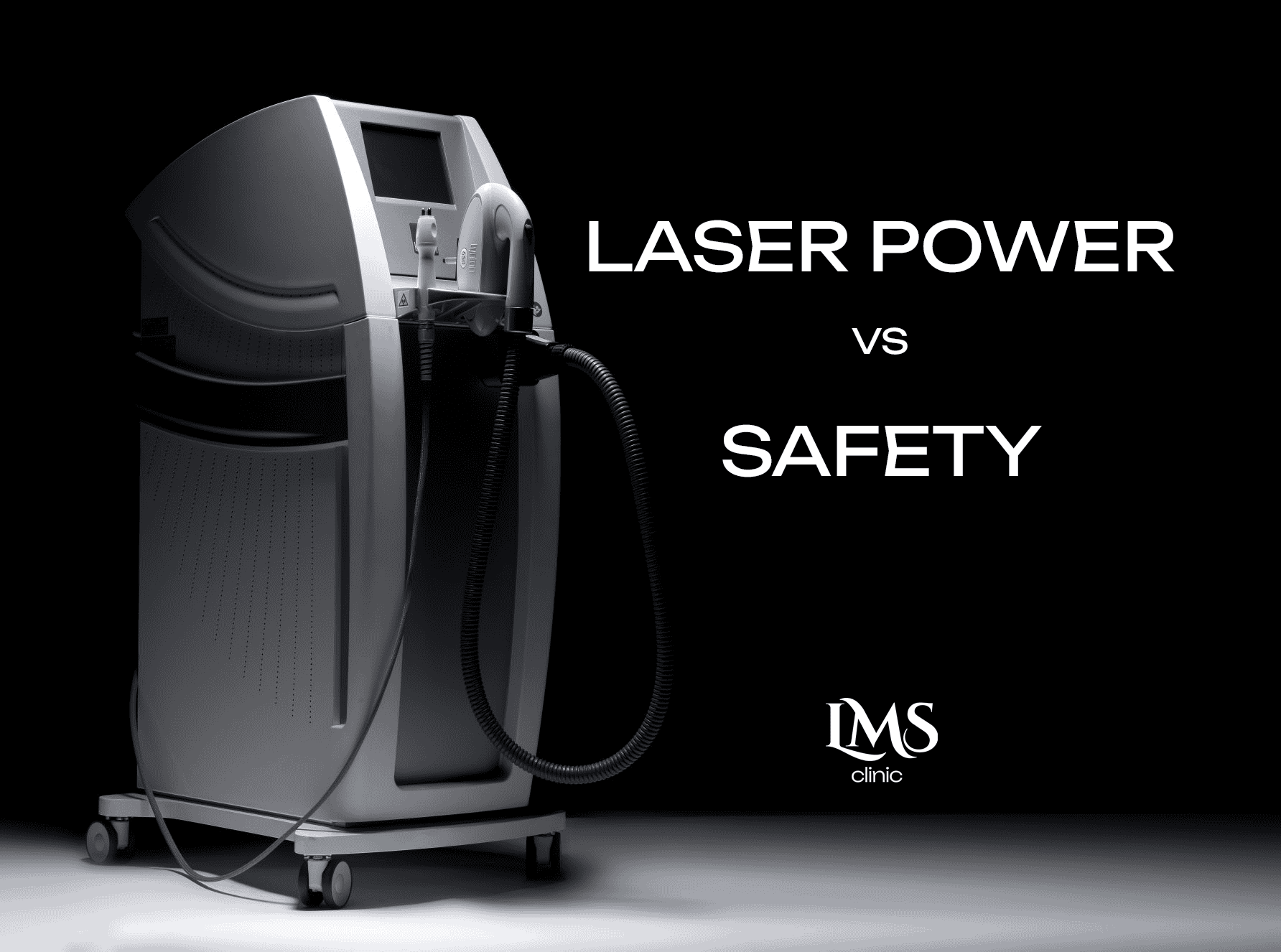
Laser tattoo removal uses controlled laser energy to break tattoo ink into smaller particles within the skin. Over time, the body gradually clears these particles through natural processes.
Because tattoos vary in ink colour, depth, age, and placement, removal is carried out as a course of treatments, spaced several weeks apart. This allows the skin to recover properly between sessions and supports safe, progressive fading.
Is laser tattoo removal safe?
When performed by trained professionals using medical-grade equipment, laser tattoo removal is considered a safe and established treatment. A thorough consultation is essential to assess suitability, explain realistic outcomes, and tailor treatment appropriately.
Some temporary redness, swelling, or sensitivity may occur following treatment, but these effects are usually short-lived when aftercare guidance is followed.
How many sessions are usually needed?
Tattoo removal is rarely a single-session process. Most tattoos require multiple treatments, with the number of sessions depending on factors such as ink colour, tattoo age, skin type, and location on the body.
Some tattoos fade significantly, others may be fully removed, and some are reduced enough to allow for a cover-up. Understanding this gradual process is an important part of setting realistic expectations.
Taking a considered approach
As the year draws to a close, many people are choosing to make thoughtful decisions rather than rushed ones. Laser tattoo removal is most effective when approached with patience, professional guidance, and an understanding of how the skin responds over time.
A clinical consultation provides the opportunity to ask questions, explore options, and decide whether treatment feels right for you — now or in the future.